

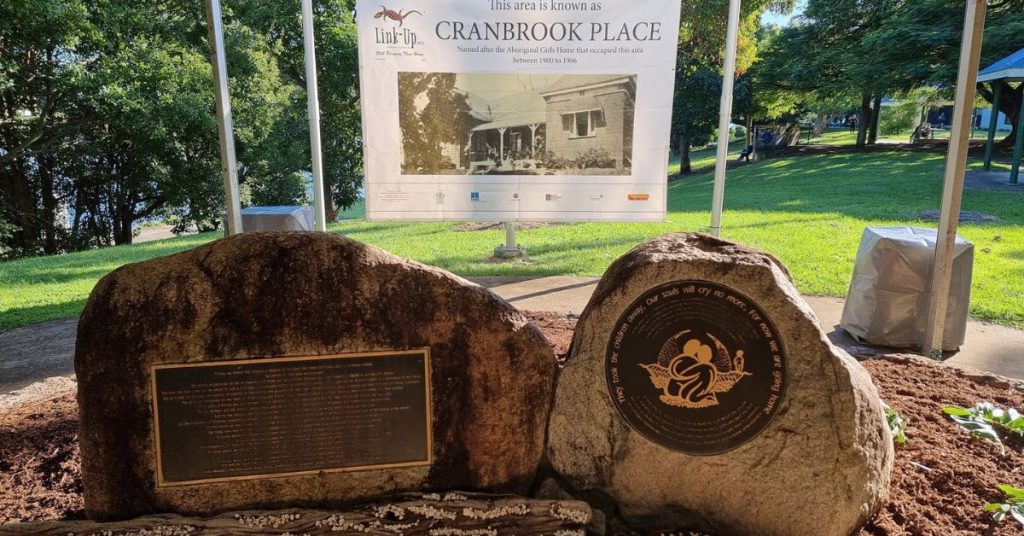
Link-Up (Qld) has identified more than 80 Aboriginal and Torres Strait Islander women and girls connected to the former Aboriginal Girls Home at West End, making their names available online as part of a research project aimed at helping descendants reconnect with that history.
The work is among the most direct efforts yet to restore identity and family connection for those touched by the institution, which operated from 1899 to 1906 on the land now known as Cranbrook Place within Orleigh Park. For descendants across Queensland and beyond who may have had gaps in their family history they could never fully explain, the project offers something concrete to reach toward.

Link-Up (Qld) chief executive Patricia Thompson AM said the research is fundamentally about recognition. “It is about recognising the women and girls who were removed from their families, and creating opportunities for descendants to reconnect with that history,” she said.
The history behind the former Aboriginal Girls Home
The Aboriginal Girls Home operated under the Aboriginals Protection and Restriction of the Sale of Opium Act 1897, one of the most sweeping pieces of legislation in Queensland’s history. The Act gave the Chief Protector of Aboriginals extensive control over the movements, employment and daily lives of Aboriginal and Torres Strait Islander peoples across the state.

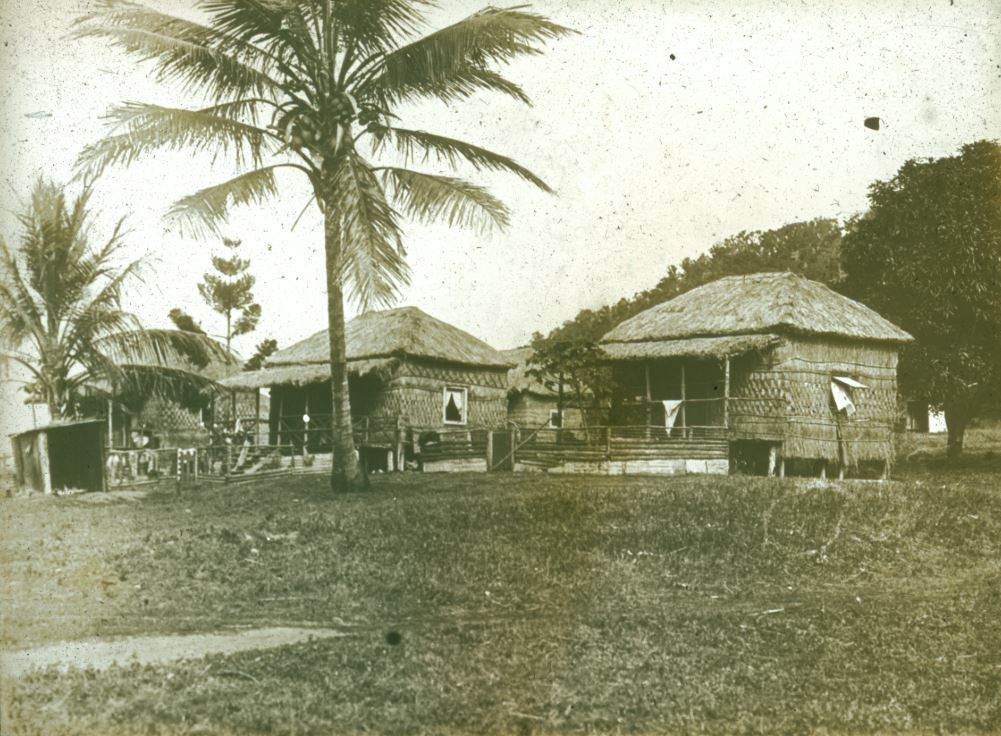
The West End home functioned as a receiving depot and transit point. Girls and young women were brought to Brisbane from communities across Queensland, held at the home, and then placed into domestic service in white households, often far from their families and Country.

Any single woman travelling through Brisbane or between domestic postings was required to stay there. The institution was classified as a reserve under the Act in 1904.
By 1900, 22 Aboriginal young women were in domestic service in Brisbane. That number had climbed to 121 by the time the home closed in 1906 following a public inquiry into conditions there. The house itself, known as Cranbrook, was demolished years later. Only a set of concrete steps remains at the site today.
Names that were nearly lost
The research Link-Up undertook drew on historical records to identify 80 women and girls who are directly or indirectly referenced in connection with the Home. That work builds on earlier research and represents years of archival effort to recover names and details that were never intended to be easily found.



Those names are now published on Link-Up’s website as part of an ongoing commitment to honour the lives of women who passed through the institution and to support healing for the families who came after them. Descendants who register their interest through the site can also receive updates about the project and be invited to contribute to future stages of the work.
A community that gathers every year at Orleigh Park
Link-Up has held a Sorry Day event at Cranbrook Place each year during Sorry Week, the period leading up to National Sorry Day on 26 May. This year’s breakfast drew Stolen Generations survivors, performers Kristal West and the Nunukul Yuggera Dancers, and community members from across the region to the site where the Home once stood.
National Sorry Day marks the anniversary of the tabling of the Bringing Them Home report in federal parliament in 1997, which documented the forced removal of Aboriginal and Torres Strait Islander children from their families. A memorial to the Stolen Generations was erected at Orleigh Park in 2012, four years after the federal apology in 2008.
For descendants wanting to connect with the research or register their interest in the project, click here. Link-Up (Qld) can also be reached directly through their website for family reunion and reconnection support services.
Published 21-May-2026