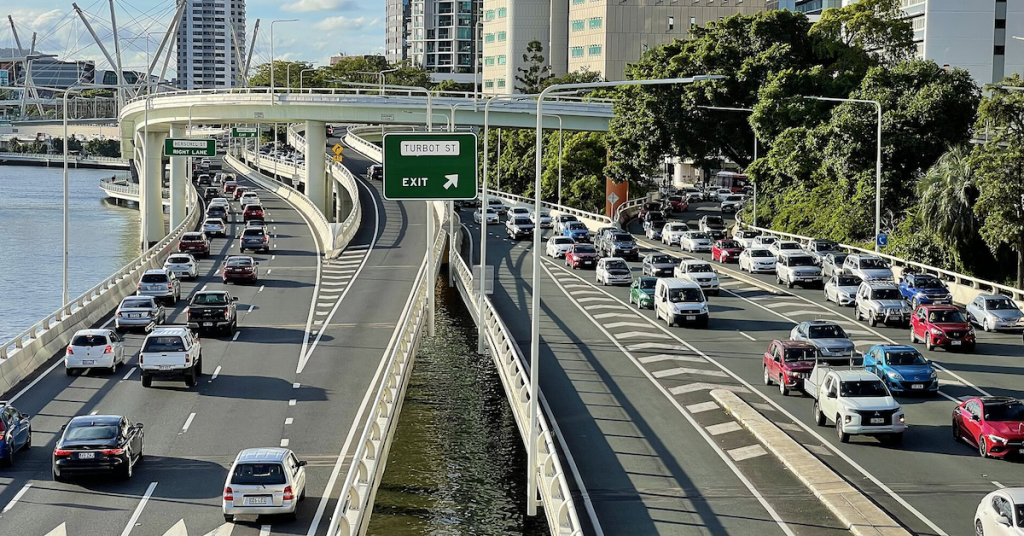
Brisbane inner city drivers are paying close to $2.50 a litre for petrol while fuel remains available across most suburbs, even as shortages spread across parts of Queensland and other states.
Prices Climb Across Inner Brisbane
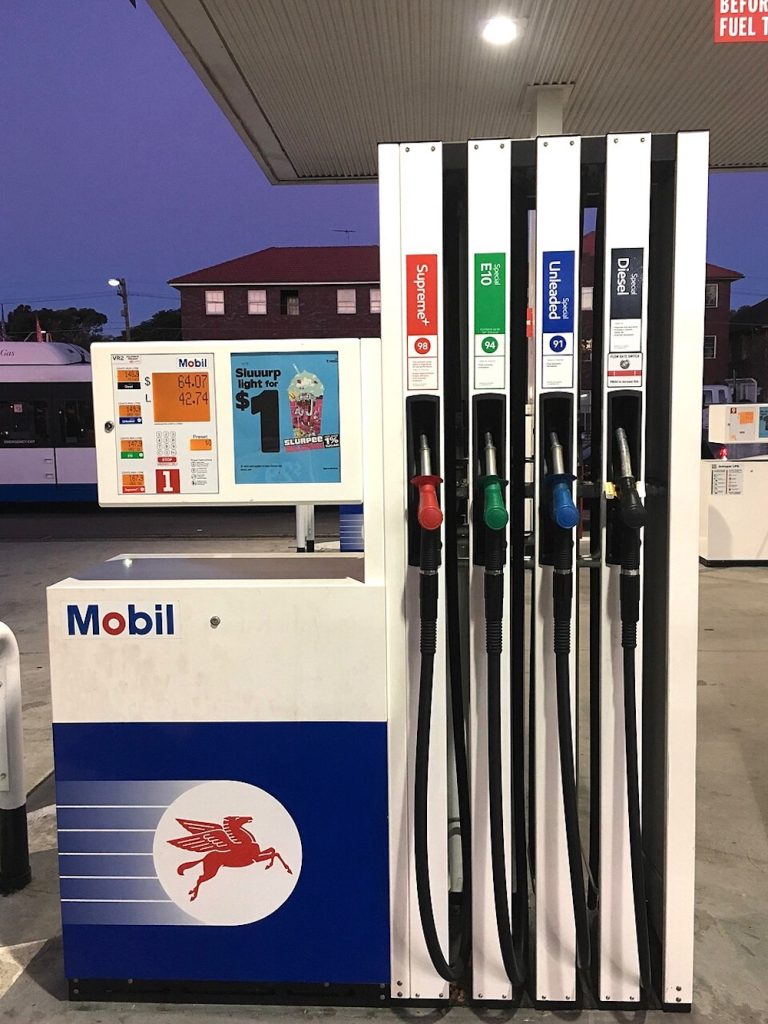
Across Fortitude Valley, New Farm, Newstead and surrounding inner-city suburbs, petrol prices are now sitting between about 239 and 249 cents per litre, with diesel pushing close to or above 290 cents. The variation between nearby stations can be as much as 10 cents, even within a short drive.

Kangaroo Point and the inner south, including South Bank and West End, are showing similar trends, with petrol mostly around the mid-240s and diesel nearing the $3 mark. These prices reflect a sharp rise over the past week, with national averages also climbing significantly.
Figures from industry data show the average petrol price across Australia rose to about 238 cents per litre, while diesel jumped to more than 282 cents. That has added roughly $9 to $18 to a standard 50-litre fill, placing extra strain on households and small businesses.

| Area | U91 Range | Diesel Range | Notes (as of 23 March) |
|---|---|---|---|
| Fortitude Valley | 239–249 | 292–296 | widest variation |
| New Farm / Newstead | 238–249 | 295–299 | some cheapest + some expensive |
| Kangaroo Point | ~239 | 289–292 | most stable |
| South Bank / West End | 239–245 | 290–298 | typical inner-south |
Supply Pressure Felt, But CBD Holding
Despite rising costs, there is no widespread fuel outages in Brisbane’s inner city. Most stations across the CBD and nearby suburbs continue to operate, though some may temporarily run low on certain fuel types.

National figures show 166 service stations across New South Wales, Queensland and Victoria have run out of fuel, including dozens in Queensland alone. However, these shortages are spread unevenly and are more common in regional areas than in major city centres.
The supply issue is largely driven by a surge in demand, with more drivers filling up earlier or more often than usual. This has created pressure on distribution networks, even though overall fuel supply into Australia remains steady for now.
Global Tensions Driving Local Costs
The sharp rise in prices has been linked to global supply concerns following conflict in the Middle East, which has disrupted key oil shipping routes. About 20 per cent of the world’s oil passes through the affected area, and ongoing instability is pushing wholesale prices higher.


Officials have indicated that while supply is still flowing, prolonged disruption could continue to push prices up, with the possibility of petrol reaching $4 per litre if conditions worsen.
Yet residents are already feeling the impact. Higher fuel costs are affecting daily commutes, small business operations and trade work, where diesel use is high. Even without widespread shortages in the inner city, the rising cost of fuel is changing how and when people travel.
Read: